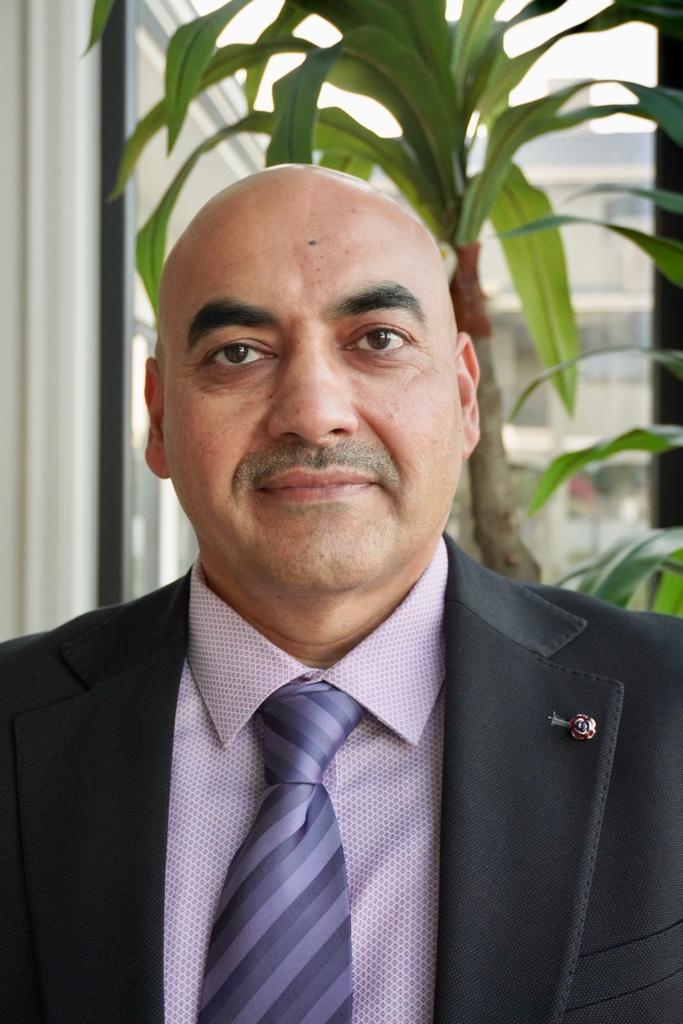
Sanjay Laul, Founder of MSM Unify
Indian learners are entering the 2026 intake season with a new option on the table: hybrid pathways that mix online study from India with short periods on overseas campuses to complete foreign degrees at a fraction of traditional costs. Universities in the UK, Canada, Europe and other destinations are piloting these models, while Indian families, agents, and platforms weigh how far they can cut fees, living expenses, and travel without losing global exposure.
Official data show demand for foreign degrees is still strong, with Indian students abroad rising from about 1.3 million in 2023 to over 1.8 million this year, with the US, Canada, and the UK remaining as top choices, and with growing interest in Europe and Asia.
Hybrid Pathways Cut Living and Travel Costs
Hybrid or blended pathways are emerging as one response. Advisory sites and university partners describe formats in which learners complete a large share of coursework online from India, then travel for a shorter on-campus segment that may last one or more terms, or a series of intensive blocks.
Because accommodation, food, and local transport can match or exceed tuition in many destinations, cutting the time spent overseas can dramatically lower total spending. One recent guide on hybrid study programs estimated that students can save the equivalent of about 8,000 to 15,000 pounds a year on living costs alone by spending less time abroad.
Another advisory source notes that hybrid study abroad reduces travel and housing costs by moving most coursework online and limiting the period of physical mobility.
Counselors say that when most study is done from India and time abroad is shorter, total costs can fall by about half in many cases, especially in expensive cities. Actual savings still depend on the country, how long the student stays on campus, and any scholarships received.
Universities Experiment with Blended Mobility
Policy frameworks in Europe and elsewhere are giving structure to these ideas. Erasmus+ defines blended or hybrid mobility as a learning activity that combines a physical stay with a virtual component for collaborative online work.
The European Association for International Education has argued that the future of student mobility “must be hybrid” to open global experiences to a wider group of learners.
In practice, this can mean a range of models. Some universities now mix short trips with online study. Some students do a mix of online study and a short trip abroad. Others stay enrolled at an Indian campus, take online classes from a foreign partner, then go overseas for a final term. Research suggests that, when planned well, these blended models can open access while still giving real cross-cultural exposure.
Internationalization at Home Gains Ground
Hybrid pathways also fit a broader pattern sometimes called “internationalization at home.” A recent analysis of 10,000 Indian learners found that 91 percent wanted some form of international exposure in their higher education, but many were open to achieving this without a long stay abroad. The most popular options included visiting foreign faculty, globally recognized certifications, and dual or joint degrees delivered partly from India.
For Indian institutions, this shift raises practical questions. Campus leaders are exploring how to integrate foreign content, coordinate calendars across borders, and ensure that online components meet domestic quality and recognition rules. Regulators are also watching transnational distance education more closely, as universities increase their use of cross-border online delivery.
Policy and Quality Questions for 2026
The growth of hybrid pathways in 2026 will depend on several moving pieces. Governments and accreditation bodies will need to clarify how joint and online components are recognized and how consumer protection rules apply when multiple institutions share responsibility for a degree. Students will look for clearer information on fees, learning outcomes, and graduate pathways for these newer formats.
Experts say strong rules will matter. For now, the direction of travel is clear. Global exposure remains important for Indian learners, yet affordability is reshaping how it is pursued. Hybrid pathways that allow students to study global and stay local are likely to become a central feature of the 2026 intake cycle.